Architectural photography captures the essence of buildings and structures, showcasing their design and functionality. To shoot architectural photography effectively, one must pay attention to composition, lighting, and the unique features of the structure. Understanding the interplay between natural light and the subject can transform a simple shot into an outstanding image.
Using the right equipment is crucial. A wide-angle lens often helps to capture the full scope of a building, while a tripod stabilises the camera for long exposures, especially in low light conditions. Knowledge of the principles of perspective can also aid in creating striking images that appear both balanced and immersive.
Beyond technical skills, the photographer’s vision is vital. Exploring different angles and perspectives allows for creative interpretations of the architecture. Each building has its story; capturing that narrative can elevate the photography beyond mere documentation to compelling visual storytelling.
Understanding Architectural Photography
Architectural photography captures the aesthetics and character of structures. It has a rich history marked by significant developments and is underpinned by key concepts that guide photographers in their technique.
History and Evolution
Architectural photography emerged in the early 19th century alongside the invention of photography itself. Early pioneers, such as Eugène Atget, documented urban architecture and historic landmarks, influencing future generations.
With the advent of new technologies, such as 35mm cameras and digital photography, the field expanded. The 20th century saw renowned photographers, like Julius Shulman, redefining architectural representation by focusing on light, composition, and the relationship between buildings and their surroundings.
Today, architectural photography addresses both contemporary designs and historical structures, capturing differing styles and innovations in architecture.
Key Concepts and Techniques
Essential techniques in architectural photography include understanding composition, symmetry, and the use of leading lines. Composition guides the arrangement of elements within the frame, creating visually appealing images. Photographers often employ symmetry to enhance balance and harmony in their shots.
Leading lines draw the viewer’s eye through the image, creating depth and perspective. Texture and patterns in materials add interest and sophistication while varying depth of field focuses attention on specific elements of a building.
Long exposures can create striking imagery by smoothing movement, such as clouds or people, evoking a sense of time and space. The choice of technique depends on the photographer’s vision and the story they wish to convey through their images.
Equipment Essentials
Selecting the right equipment is crucial for architectural photography. The camera, lenses, and supportive gear all play significant roles in capturing stunning images. Understanding the specifics of each piece of equipment will enhance the photographer’s ability to convey the essence of architectural designs.
Choosing the Right Camera
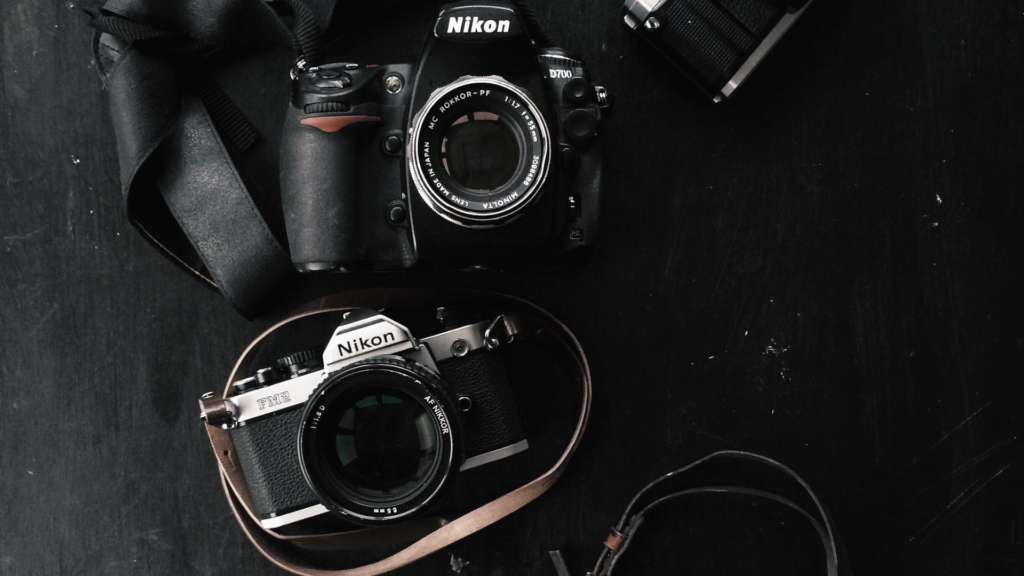
When it comes to architectural photography, both DSLR and mirrorless cameras are excellent choices. They offer high-resolution sensors, essential for capturing intricate details. Look for a camera with a wide dynamic range to manage challenging lighting conditions effectively.
Important features to consider include:
- Shutter Speed: A fast shutter speed helps avoid motion blur, especially in low light.
- ISO Performance: Higher ISO capabilities are beneficial for low-light buildings or interiors.
- Megapixels: A higher megapixel count allows for more substantial cropping and detail retention.
The best cameras for architectural photography often have robust image stabilisation features, aiding in maintaining clarity.
Lenses for Different Perspectives
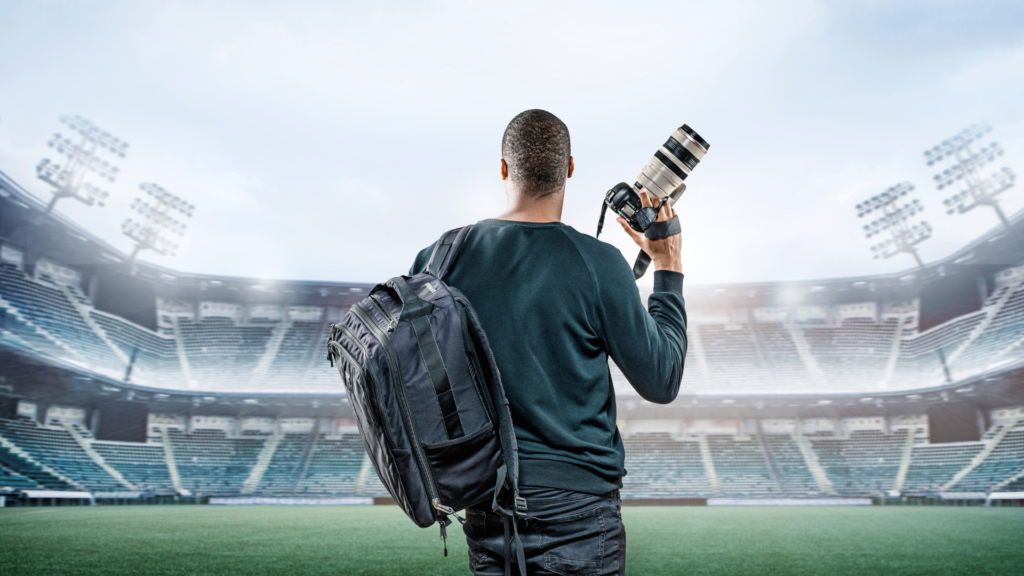
Lenses significantly impact the composition of architectural photos. A variety of focal lengths, from wide-angle to telephoto, can be utilised to achieve different effects.
- Wide-angle Lenses: Ideal for capturing more of a structure within a frame, they are often used in tighter spaces.
- Tilt-Shift Lenses: These are vital for correcting vertical lines and avoiding distortion in architectural shots. They allow for thoughtful tilting and shifting to maintain perspective.
- Prime and Zoom Lenses: Prime lenses provide higher sharpness, while zoom lenses offer flexibility for various compositions.
Choosing the right lens for each situation can greatly enhance the final result.
Supportive Gear
In addition to cameras and lenses, having reliable supportive gear is essential. A sturdy tripod is paramount for maintaining stability, particularly in low-light scenarios.
- Tripod: An adjustable tripod is necessary for achieving precise framing, especially during long exposures.
- Remote Shutter Release: This accessory prevents camera shake by allowing the photographer to capture images without physically touching the camera.
- ND Filter: A neutral density filter can be beneficial for creating long exposure effects, especially in daylight conditions.
Investing in quality supportive gear can significantly improve the overall quality of architectural shots.
Shooting Architectural Photography
Successful architectural photography requires a keen understanding of technique and post-processing. Attention to lighting, angles, and methods can significantly enhance the quality of the images captured.
Techniques in Practice
For effective architectural photography, utilising manual settings on the camera is essential. A low ISO setting helps maintain image quality while capturing details in a variety of lighting conditions. Natural light plays a significant role; shooting during the golden hour or blue hour can produce warm, dynamic images.
Employing long-exposure photography can emphasise movement in urban environments, while careful consideration of the vantage point allows for more interesting compositions. Incorporating creative techniques, such as multiple exposures or using reflections, can add depth. Avoid perspective distortion by using tilt-shift lenses or enabling lens correction features in post-processing.
Framing the subject thoughtfully can also enhance the storytelling aspect of the image. Careful placement of architectural lines against the horizon will yield visually pleasing results.
Post-Processing for Impact
Post-processing is vital in architectural photography to refine images and correct imperfections. Software tools enable perspective correction, helping to straighten lines that may appear distorted.
Adjusting exposure, contrast, and colour balance can dramatically alter the mood of a photograph. He or she might consider enhancing specific features to make them stand out against reflective surfaces.
Sharpening and noise reduction techniques also contribute to a polished final product. Commitment to these adjustments can result in striking imagery. The photographer should balance enhancement without sacrificing the integrity of the original structure.
Evaluating Architectural Photography
Assessing architectural photography requires an understanding of the subject, context, and the photographer’s unique vision. It involves selecting appropriate locations and perspectives to highlight design elements effectively.
Architectural Subjects and Context
Choosing the right architectural subjects greatly influences the quality of a photograph. This includes modern architecture, historical buildings, government structures, and museums. Each type offers unique textures and design elements that can appeal to viewers.
When capturing building exteriors, consider different perspectives. A low-angle shot can emphasise height, while an aerial view can reveal patterns and shapes within cityscapes. The context is equally crucial; taking photos during different times of day can enhance light play on surfaces, thus highlighting architectural details like repetition and textures.
Developing a Unique Style
A photographer’s style is formed through a combination of technique and personal vision. This can include the choice of locations, such as urban landscapes or serene historical settings.
Incorporating the human element can add scale and interest to architectural scenes. Consider including people to provide a sense of place or interaction with the structure. Interior photography also allows for a focus on intricate design elements, such as furniture and layout. Cultivating a distinct style involves experimentation with angles, lighting, and composition to create compelling architectural narratives.