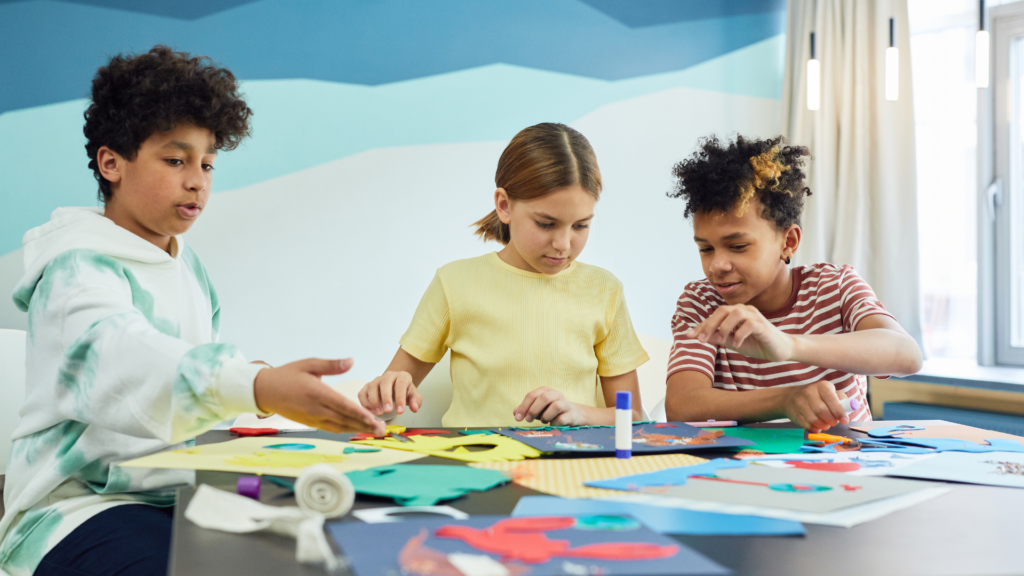

Inspiration often lurks in the most unexpected places, waiting for the open-minded to discover it. Finding inspiration requires a willingness to embrace novelty, whether through nature, art, or everyday encounters. By being attuned to the world around them, individuals can unlock new creative pathways that lead to innovation and fresh ideas.
Everyday moments can serve as powerful catalysts for creativity. A stroll through a bustling market, a conversation with a stranger, or even a quiet moment in a café can spark thoughts and ideas that were previously elusive. Those who cultivate an appreciation for the ordinary often find that it is rich with potential.
Utilising different perspectives and experiences can significantly enhance one’s creative endeavours. By stepping outside of familiar environments or routines, individuals can ignite their imaginations and transform the mundane into the extraordinary. Engaging with unexpected sources can lead to profound insights and renewed motivation.
Exploring Nature and the Outdoors
Experiencing nature can awaken creativity in surprising ways. This section highlights how the natural environment and travel can open new emotional pathways and perspectives.
The Role of Nature in Sparking Creativity
Nature provides a unique backdrop for inspiration. The colours of a sunset or the sound of rustling leaves can evoke emotions that stimulate creative thought.
Spending time outdoors encourages mindfulness, allowing individuals to immerse themselves in their surroundings. Observing wildlife, textures, and patterns can shift perspectives, leading to new ideas.
Benefits of Nature on Creativity:
- Reduction of Stress: Nature reduces anxiety, creating a mental space for creativity.
- Enhanced Focus: The tranquillity can improve concentration.
- Emotional Connection: Natural beauty can spark joy and wonder, fuelling creative expressions.
Finding Inspiration Through Travel
Travelling exposes individuals to diverse landscapes and cultures, enhancing creativity. Encountering new places often brings unique perspectives that inspire fresh ideas.
Whether it’s the bustling streets of a city or a peaceful countryside, each environment offers specific emotional cues.
Ways Travel Boosts Creativity:
- Cultural Experiences: Interacting with local customs can inspire different artistic approaches.
- Novel Environments: Changing scenery helps break routine thought patterns, leading to innovation.
- Mindful Interaction: Engaging with new locations encourages a deeper appreciation of the moment.
Exploring nature and travel provides fertile ground for inspiration, opening pathways to creativity.
Embracing Artistic Spaces and Communities
Engaging with artistic spaces and communities can unlock unique sources of inspiration. This exploration allows individuals to connect with diverse forms of creativity and discover new perspectives.
Visiting Museums and Art Galleries
Museums and art galleries are crucial in showcasing established and innovative art. They offer a visual feast where one can absorb different styles, techniques, and historical contexts.
Visitors can interact with artworks that provoke thought and evoke emotions. Many institutions also host workshops, lectures, and interactive exhibits, which encourage active participation.
By immersing oneself in these environments, individuals can experience firsthand the passion and creativity of artists. This interaction fosters deeper appreciation and can spark new ideas relevant to personal or professional projects.
Discovering Emerging Artists and Unconventional Sources
Emerging artists often bring fresh, unconventional viewpoints to the art market. Their work can reflect contemporary issues, challenging norms and inspiring audiences to think differently.
Exploring local exhibitions, pop-up shows, and online platforms can reveal hidden gems in the art world. Engaging directly with these artists during openings or social media interactions can provide insight into their creative process.
Such connections can lead to collaboration opportunities or mentorship, enhancing one’s creative journey. Additionally, incorporating unconventional sources like street art or digital installations can broaden an individual’s artistic perspective.
Impact of Community Engagement
Community engagement plays a pivotal role in nurturing the arts. Local initiatives often promote collaborations between artists and residents, fostering an inclusive atmosphere.
Participating in community art projects, workshops, or festivals enhances social connections and provides a platform for creative expression. These activities can inspire individuals by showcasing the collective creativity of a community.
Moreover, engaging with diverse groups allows for the exchange of ideas and experiences. This interaction can stimulate inspiration from a variety of voices and backgrounds, enriching personal artistic endeavours.
Incorporating Literature and Music into Your Routine
Engaging with literature and music can spark creativity and inspire fresh ideas. Immersing oneself in diverse genres can stimulate dreams and imagination.
Literary Inspiration From Fiction and Non-fiction
Reading a variety of literature exposes individuals to different perspectives. Fiction allows for escapism and the exploration of new worlds, while non-fiction offers factual insights and knowledge.
Benefits of Reading:
- Diverse Perspectives: Exposure to characters and situations often leads to new viewpoints.
- Enhanced Creativity: Engaging narratives ignite the imagination and can inspire innovative thinking.
Setting aside time for reading on a daily basis can yield unexpected ideas. A well-crafted story or an insightful biography might reveal solutions to problems or inspire new projects. Creating a reading list that includes various genres ensures a rich source of inspiration.
Musical Influences on Creative Thought
Music plays a crucial role in shaping mood and enhancing concentration. Different genres elicit various emotions, which can influence creative processes.
Types of Music to Consider:
- Classical: Facilitates focus and deep thinking.
- Jazz: Encourages improvisation and spontaneity.
- Ambient: Creates an atmosphere conducive to brainstorming.
Listening to music while working can trigger imagination and enhance productivity. Artists often create playlists that resonate with their current work to harness the emotional power of music. Incorporating music into daily routines can lead to unexpected moments of creativity and inspiration.
Daily Life and the Unexpected
Inspiration can be found in the mundane aspects of daily life. By observing everyday objects, recognising unusual patterns, and reflecting on personal experiences, individuals can spark creativity in unexpected ways.
Finding Inspiration in Everyday Objects
Everyday objects often hold hidden stories and textures that can ignite creativity. For instance, a simple cup can represent comfort or warmth, while its shape, colour, and material can inspire new designs in graphic art.
Consider visiting thrift stores, where unique items tell their own tales. The combination of vintage pieces might lead to a fresh perspective that influences an artist’s next project or creative venture. Embracing the details of these objects encourages individuals to think differently about their surroundings.
Learning to Perceive the Unusual in the Usual
Developing a keen eye for the unusual within the ordinary enhances creative perception. Practising mindfulness can help individuals slow down and truly observe their environment.
A stroll through a local park may reveal unusual shadows cast by trees or distinctive patterns in the ground. Paying attention to such nuances can stir emotions and feelings that drive artistic expression. Graphic designers, for example, might draw inspiration from the interplay of light and shadow in their projects.
Personal Experiences as a Catalyst for Ideas
Personal experiences often serve as powerful catalysts for inspiration. Memories, thoughts, and emotions can create a rich tapestry of ideas waiting to be explored.
An individual might recall a walk through a bustling market, immersing themselves in vibrant colours and sounds. These sensory memories can formulate concepts in various art forms, such as painting or writing. By reflecting on their own narratives, creatives can create authentic and relatable work that resonates with others.