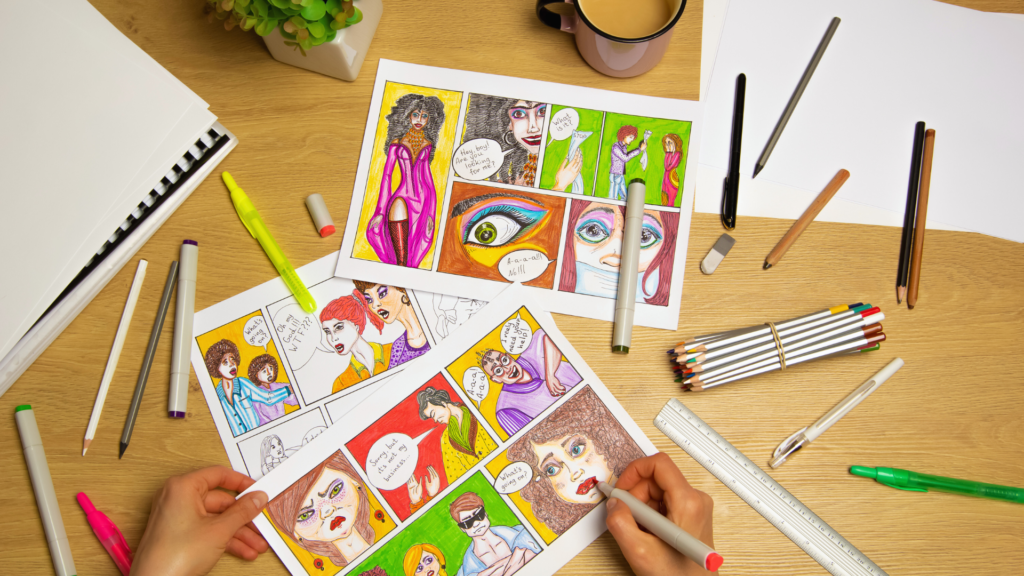
Graphic novels represent a unique convergence of visual art and narrative storytelling. Through a carefully crafted combination of images and text, they create immersive worlds that captivate readers in ways traditional literature might not. This blend of art and storytelling allows for a deeper emotional connection, conveying complex ideas and feelings through both visual and written elements.
In graphic novels, each illustration serves not just as decoration but as an integral part of the narrative, guiding readers through character development and plot progression. Artists use colour, line, and composition to enhance themes and moods, making the medium a powerful tool for storytelling. This synergy between art form and narrative provides a distinct experience that appeals to both visual learners and literary enthusiasts.
As readers navigate through the pages, the interplay of words and images fosters a dynamic interaction that pulls them into the story. This format invites diverse interpretations, inviting readers to engage more deeply with the content. Graphic novels, therefore, elevate the art of storytelling, showcasing how visuals can enrich narrative depth and complexity.
Historical Evolution of Graphic Novels
The evolution of graphic novels reflects significant cultural shifts and artistic developments. From ancient storytelling methods to the modern comic book boom, this progression highlights how visual narratives have intertwined with popular culture.
Ancient Traditions to Modern Day
Graphic storytelling has roots in ancient civilisations. Hieroglyphics in Egypt served as an early form of visual narrative, combining images with text. Similarly, woodcut novels in the 16th century merged illustrations with stories, laying the groundwork for future graphic forms.
In the 19th century, illustrated novels emerged, showcasing how text and imagery could collaborate to engage readers. These traditions eventually paved the way for the emergence of comic strips in the early 20th century, setting the stage for what would become graphic novels.
Rise of Superhero Tales and Underground Comix
The Golden Age of Comics in the 1930s introduced iconic superheroes like Superman and Batman. These characters resonated with audiences and offered escapism during challenging times. This era established a framework for hero-centric narratives within graphic storytelling.
Simultaneously, the late 1960s saw the rise of underground comix, challenging established norms. Artists like Robert Crumb used graphic novels to explore social issues, counterculture, and adult themes. This movement broadened the scope of graphic storytelling, allowing for a more diverse range of voices and styles.
Mainstream Acceptance and Cultural Impact
By the 1980s and 1990s, graphic novels gained recognition as a legitimate art form. Works like Maus by Art Spiegelman and Persepolis by Marjane Satrapi showcased the medium’s ability to tackle complex themes.
The mainstream acceptance has had a lasting cultural impact, influencing literature, film, and art. Graphic novels have become a vehicle for diverse narratives, obtaining academic attention and enriching global conversations. This evolution illustrates a remarkable journey of artistic innovation and social commentary through visual storytelling.
The Symbiosis of Art and Narrative
Graphic novels embody a unique interplay between visual art and storytelling. This relationship is crucial in constructing a narrative experience that engages readers both emotionally and intellectually.
Visual Storytelling and Sequential Art
Visual storytelling relies heavily on sequential art to convey narratives. Each image in a graphic novel works in conjunction with the next, creating a flow that guides the reader through the story. Art Spiegelman’s Maus exemplifies this by using visuals to enhance the emotional weight of the narrative surrounding the Holocaust.
Sequential art allows for representation that transcends traditional text. Will Eisner emphasised the importance of visual language, which includes symbols and metaphors. Every panel can evoke emotions that words alone may not fully encapsulate.
Composition and Panel Layout
The composition of panels determines how a story unfolds. A strategic panel layout can heighten tension or pace within a narrative. For instance, smaller panels may suggest urgency, while larger ones can provide space for reflection.
Authors like Eisner often manipulate space to enhance storytelling. This includes varying panel sizes and shapes to create a rhythm. Readers are invited to navigate the story actively, facilitating a deeper connection to the content.
Colour and Lighting
Colour and lighting contribute significantly to mood and tone. A well-chosen palette influences a reader’s emotional response. For example, muted colours may evoke sadness, while bright hues can elicit joy or excitement.
Lighting techniques are equally important. Shadows and highlights can create depth and draw attention to specific elements in a panel. Relating to metaphorical aspects, the use of light may symbolise hope or despair, enhancing the narrative layers present in a graphic novel.
Impact on Society and Culture
Graphic novels serve as a powerful medium that captures the complexities of society and culture. They tackle social issues, promote diversity, and serve educational purposes, making them versatile tools for reflection and engagement.
Reflection of Social Issues through Graphic Novels
Graphic novels like Maus and Persepolis confront heavy social themes. Maus addresses the Holocaust, illustrating the haunting legacy of trauma. In contrast, Persepolis explores the Islamic Revolution and its impact on personal freedom.
Such narratives enable readers to empathise with experiences that differ from their own. They encourage critical conversations about the Civil Rights Movement, social justice, and the struggles of various communities. Through vivid imagery and engaging storytelling, these works challenge readers to confront uncomfortable truths and reflect on historical injustices.
Diversity and Representation in Storytelling
Diversity in graphic novels is paramount for fostering inclusivity. Titles like V for Vendetta showcase a range of perspectives, reflecting varied cultural identities. They provide representation for underrepresented voices, allowing readers to see themselves in the stories presented.
This representation not only validates the experiences of diverse groups but also educates readers. By showcasing characters from different backgrounds, graphic novels challenge stereotypes and broaden understanding. This inclusivity is essential in promoting social awareness and creating a more equitable narrative landscape.
Graphic Novels in Educational Contexts
In educational settings, graphic novels have proven effective in engaging reluctant readers. They combine visuals with narrative, making complex topics more accessible. Teachers have utilised works like Persepolis to discuss historical events and cultural nuances.
Graphic novels also encourage critical thinking by prompting discussions around social issues. They foster an interactive learning environment, allowing students to explore themes of identity and justice creatively. The blend of art and storytelling captivates students, enhancing their understanding of essential topics such as diversity and social change.
Innovation and the Future of Graphic Novels
The graphic novel landscape is changing rapidly, driven by advancements in technology and a burgeoning global audience. Digital platforms and innovative storytelling are at the forefront, guiding the evolution of this medium.
Digital Evolution and Webcomics
Digital platforms have revolutionised the distribution of graphic novels. Artists now utilise webcomics to reach vast audiences at minimal cost. Webcomic platforms such as Tapas and Webtoons are notable examples of how creators share their work.
Key Advantages:
- Accessibility: Readers can access a wide range of genres without geographical limitations.
- Interactive Features: These platforms often incorporate elements like scrolling, sound, and animation, enhancing the storytelling experience.
The rise of these digital formats allows for experimentation with narrative styles, making graphic novels more dynamic and engaging.
Virtual Reality and Augmented Reality in Graphic Novels
Virtual reality (VR) and augmented reality (AR) are pushing the boundaries of traditional storytelling. These technologies offer readers immersive experiences that blend visual art with interactive features.
Examples of Implementation:
- VR Experiences: Some projects allow readers to step into the story, and interact with characters and environments.
- AR Enhancements: Certain graphic novels integrate AR features through apps, providing supplementary content and animations that bring static images to life.
This technology not only captivates audiences but also opens up new avenues for creative expression within graphic novels.
Global Outreach and Accessibility
Graphic novels have experienced a remarkable global rise in popularity, with distinctive styles like manga and manhwa gaining fans far beyond their countries of origin. This expansion is largely driven by digital platforms, which make it easy for readers to access and follow ongoing series. These platforms allow fans to stay up to date with new chapters, discover new stories, and connect with international communities.
For example, popular manhwa titles such as solo glitch player, Omniscient Reader’s Viewpoint, and The Beginning After the End tend to showcase how digital accessibility expands the global reach of these stories. Through engaging plots and dynamic art styles, such series are reshaping how global audiences consume and interact with graphic storytelling.
Furthermore, as countries increasingly embrace these styles, collaborations between international artists and writers have become more frequent, fostering a vibrant exchange of creative ideas across borders.
Factors Promoting Global Accessibility:
- Translation Efforts: Increased translations help widen readership, allowing audiences to discover diverse narratives.
- Digital Access: Online platforms ensure that readers from various backgrounds can engage with different cultural stories.
This broadening scope enhances the graphic novel industry and encourages diversity in storytelling, fostering a richer artistic exchange worldwide.