Art often thrives on the unexpected, revealing its true beauty in moments of imperfection. Many artists wrestle with the pressure to achieve perfection, which can stifle creativity. Embracing imperfection allows for authentic expression and innovation, transforming flaws into strengths.
When creators accept the irregularities in their work, they unlock new avenues for exploration. Imperfections can convey emotion, spark dialogue, and resonate with viewers on a deeper level. By letting go of rigid standards, artists can cultivate a more genuine and fulfilling practice.
The journey towards valuing imperfections requires a shift in perspective. By acknowledging that every splatter, smudge, or deviation contributes to a unique narrative, artists can enhance their craft and connect more profoundly with their audience. Embracing these elements not only enriches the artwork but also fosters personal growth and confidence in one’s creative abilities.
Understanding Imperfections in Art
Imperfections in art serve as a source of emotional depth and authenticity. Embracing these elements can lead to a richer artistic expression, contrasting with the rigid ideals of perfectionism. The balance between recognising the beauty of flaws and striving for authenticity can significantly shape an artist’s work.
The Beauty of Imperfection
Imperfections create a unique identity in art. They can evoke emotions, making a piece feel more relatable and alive. For instance, brush strokes that aren’t uniform can convey a sense of movement and spontaneity. Artists often find that the irregularities in their work resonate more deeply with viewers than polished surfaces.
Additionally, imperfections invite interpretation. Viewers may connect with inherent flaws, seeing their own experiences reflected within them. This emotional connection is crucial for art, as it can stir feelings and provoke thought.
Using techniques that embrace imperfections, such as textured surfaces or incomplete forms, allows artists to explore new dimensions. This approach adds depth to the aesthetic experience, transforming flaws into focal points rather than distractions.
Perfectionism vs Authenticity
Perfectionism can hinder creativity by promoting fear of failure. Artists may feel pressured to adhere to unrealistic standards, which stifles their unique voice. This mindset often leads to art that lacks character, as it prioritises technical skill over personal expression.
In contrast, authenticity flourishes in an environment that values individuality over flawlessness. Artists who prioritise their genuine selves foster a deeper connection with their work. By embracing imperfections, they cultivate a style that resonates with their audience.
Acknowledging imperfections can also enhance the process of creation. While striving for technical proficiency is important, allowing room for errors encourages experimentation. This leads to unexpected discoveries, enriching the artist’s journey and resulting in a more personal body of work.
Incorporating Imperfections into the Creative Process
Embracing imperfections can significantly enhance artistic expression. Flaws and mistakes often lead to unique outcomes, enriching creativity and fostering personal growth. Understanding how to incorporate these elements into the creative process can transform an artist’s work.
Embracing Flaws in Artistic Expression
Flaws can be the defining characteristic of a piece of art. They often add character and depth, showcasing the artist’s humanity. For instance, an uneven brush stroke or a misaligned sculpture can evoke emotion and tell a deeper story.
Artists might choose to highlight these imperfections intentionally. This can be achieved through techniques such as using raw or unrefined materials, which naturally exhibit variations. Such approaches allow the audience to connect with the work on a personal level, appreciating its authenticity.
Encouraging oneself to embrace flaws requires a shift in mindset. Artists must learn to see imperfections not as mistakes, but as integral features that enhance their work. This attitude can foster greater creativity, allowing an artist to experiment without the fear of failure.
The Role of Mistakes and Happy Accidents
Mistakes can often lead to unexpected results that enhance a project. Famous artworks, such as abstract paintings, frequently thrive on spontaneity. Artists who welcome mistakes can find new perspectives and solutions that they may not have initially considered.
Happy accidents, particularly in mediums like painting or pottery, can create textures and forms that would not occur through deliberate technique. These serendipitous moments can inspire further experimentation. Artists are encouraged to document these occurrences, using them as learning points for future projects.
Incorporating mistakes into the creative process requires an openness to explore unplanned avenues. This can lead to the discovery of personal style and voice within the artwork.
Letting Go of Control
Letting go of control is essential for embracing imperfections. An artist may focus too much on precision, stifling their creativity in the process. Accepting unpredictability can open doors to innovative ideas, allowing the work to develop organically.
Practising mindfulness during creation encourages relaxation and spontaneity. Techniques such as free drawing or improvisational art can help artists detach from rigid expectations and allow the creative process to unfold.
This new approach nurtures creativity by making space for intuition and instinct. Fostering such an environment invites an artist to thrive in their imperfections, leading to more authentic artistic expression.
Practical Strategies to Embrace Imperfection
Embracing imperfections in art requires a proactive approach. By focusing on experimentation, creating a supportive environment, and fostering self-compassion, artists can develop a healthier mindset towards their creative process.
Experimentation and Technique
Emphasising experimentation allows artists to push boundaries. Using a sketchbook or art journal can be beneficial. They can jot down ideas, practice brushstrokes, and explore textures without the pressure of creating a masterpiece.
Incorporating unconventional materials or techniques encourages individual expression. For instance, layering different mediums can lead to unexpected results that highlight imperfections rather than hide them. This approach fosters a culture of learning from mistakes, reinforcing the idea that each flaw adds character to their work.
Creating a Safe Space for Artistic Growth
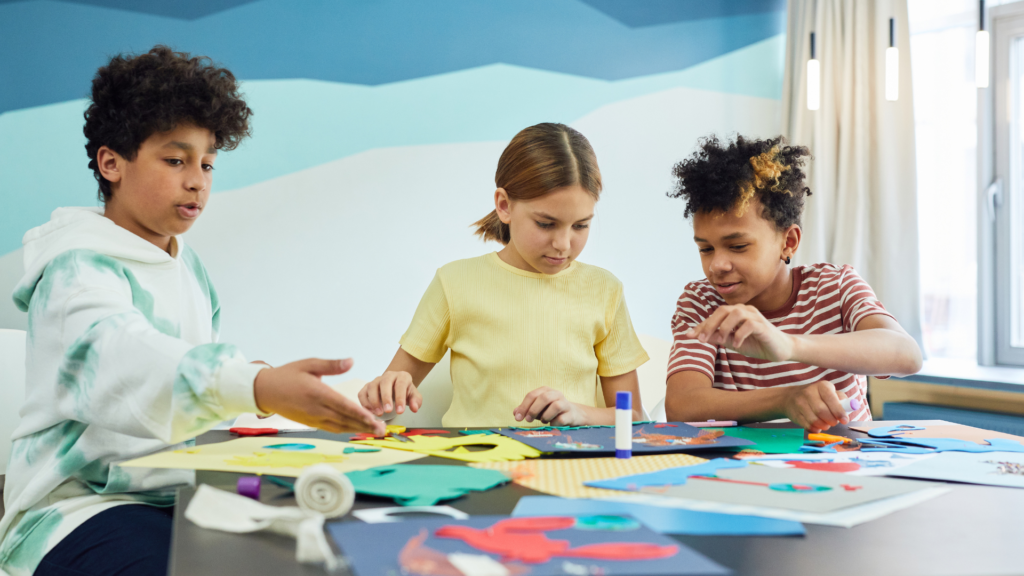
A secure environment is crucial for developing creativity. Artists should designate a space where they feel free to explore ideas without judgment. This can be a specific room or corner of their home.
Surrounding oneself with supportive peers or engaging in collaborative projects can further reduce anxiety regarding imperfection. Sharing experiences of imperfection helps normalise the feelings of inadequacy often faced by artists. Creating an open dialogue about individual challenges promotes collective growth.
Feedback and Self-Compassion
Constructive feedback is vital for artistic development. Artists should seek input from trusted peers or mentors but frame their expectations realistically. It’s important to remember that feedback should focus on growth rather than perfection.
Practising self-compassion allows artists to acknowledge their feelings about their works without harsh criticism. One effective method is to keep a reflective journal, documenting both successes and challenges. This practice helps cultivate a balanced perspective, reinforcing that imperfections are an integral part of the creative journey.
Celebrating the Journey and Personal Growth
Art is more than just the finished product; it encompasses the entire creative journey. Each flaw and misstep represents an opportunity for growth and a deeper emotional resonance with the work.
Embracing the Artistic Journey
Every artist experiences a unique creative journey filled with unpredictability. Embracing this journey allows for essential artistic growth. Artists should recognise that imperfections serve as vital stepping stones rather than failures.
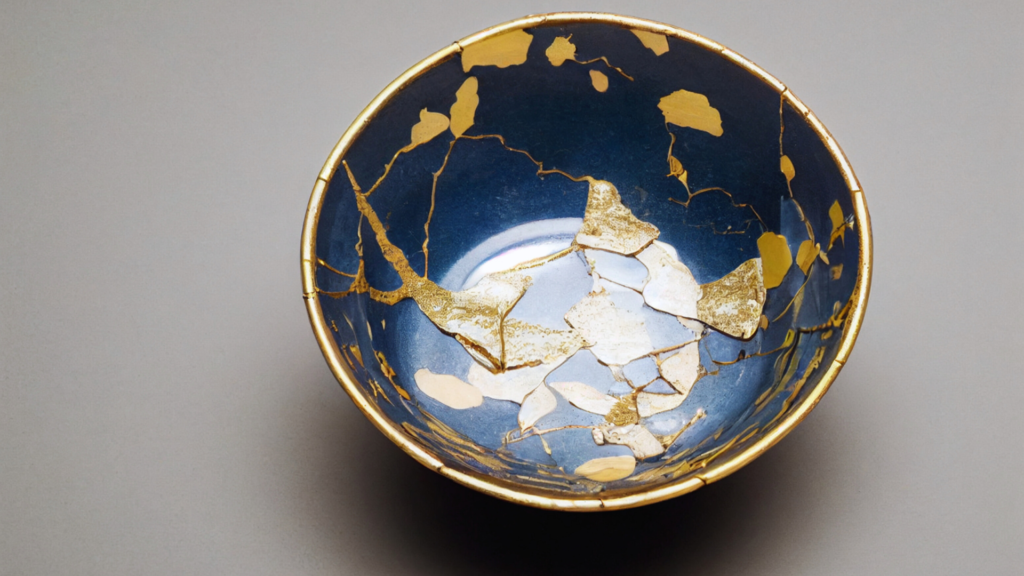
The fear of failure can inhibit creativity, but acceptance of flaws fosters resilience. Each piece created contributes to a broader narrative of progress. Wabi-sabi, the Japanese philosophy of finding beauty in imperfections, encourages artists to appreciate their evolving skill set.
Setting realistic goals can guide the creative process while celebrating small achievements promotes motivation. Trusting the process helps in navigating challenges, recognising that each moment contributes to the artist’s development.
Finding Individuality through Imperfection
Imperfections often reveal an artist’s individuality and unique voice. The human touch in art translates into deeper connections with the audience. By embracing flaws, artists cultivate their authentic expression, breaking away from conventional techniques.
This individuality enhances emotional resonance, allowing viewers to engage with the work on a personal level. Serendipity plays a role in this exploration; accidental discoveries can lead to innovative ideas.
Artists should celebrate their progress over perfection. Each creation, regardless of its perceived flaws, reflects their journey and offers insights into their artistic growth. Embracing this perspective not only enriches the art but also fosters personal identity and confidence in their abilities.