Music serves as a powerful medium for storytelling across various cultures, reflecting traditions, histories, and identities. Different cultures utilise music to weave narratives that resonate with their unique experiences, establishing a universal language that transcends borders. From the haunting melodies of traditional folk songs to the rhythmic beats of contemporary genres, music captures the essence of cultural identity.
In many societies, songs recount historical events, myths, and communal values, allowing generations to connect with their roots. For instance, Indigenous peoples often use music in rituals to transmit ancestral wisdom, while African drumming communicates tales of community and resilience. Each cultural expression offers insights not only into the tales they tell but also into the collective psyche of the people behind them.
As listeners engage with these musical narratives, they discover a rich tapestry of human experience. The rhythm, melody, and lyrics create an emotional connection, invoking feelings that words alone cannot convey. Through this lens, music becomes more than just entertainment; it becomes a vital link to understanding the diverse ways stories are told around the world.
Historical Perspectives on Music as Storytelling
Music has served as a powerful medium for storytelling across various cultures throughout history. By exploring the evolution of musical storytelling and the impact of globalisation, one can understand how music has illuminated cultural heritage and facilitated the exchange of narratives.
Evolution of Musical Storytelling
The origins of musical storytelling can be traced back to ancient civilisations. In cultures such as the Indigenous peoples of North America and ancient Greece, music was integral to rituals and ceremonies, often carrying significant cultural meanings.
Storytellers utilised instruments and vocal techniques to enhance their narratives. For instance, the use of the lyre in Greek mythology brought tales of gods and heroes to life, while traditional drumming in African cultures conveyed history and communal events.
As societies progressed, musical storytelling adapted to include various genres, from folk ballads to operas. Each form preserved and transmitted cultural heritage, reflecting social values and historical events. This evolution demonstrates how music acts as a living record of human experience.
Globalisation and Cultural Exchange
Globalisation has significantly influenced the ways music is used as a storytelling medium. The movement of people and ideas has led to the blending of musical styles and storytelling techniques. For example, the fusion of African rhythms with European melodies gave rise to genres such as blues and jazz.
Cultural exchange through migration and trade has further enriched musical narratives. Global events such as festivals and collaborations allow diverse traditions to coexist. This sharing not only highlights unique stories but also fosters intercultural dialogue.
In contemporary contexts, music plays a pivotal role in expressing identity and cultural heritage. As stories evolve, they continue to resonate with audiences worldwide, showcasing the enduring power of music as a tool for storytelling.
The Role of Music in Cultural Identity and Community
Music serves as a vital medium through which communities express their cultural identity. It reflects shared values, enhances social cohesion, and plays an integral role in rituals and celebrations.
Music in Rituals and Ceremonies
In many cultures, music is an essential component of rituals and ceremonies. These events often mark significant life stages, such as births, marriages, and funerals. Music enhances the emotional weight of these occasions, creating a communal experience.
For example, African tribes often employ drumming during initiation ceremonies to signify the transition into adulthood. Similarly, in India, bhajans and folk songs are performed during religious festivals to foster a sense of belonging.
These musical elements not only preserve traditions but also reinforce cultural identity within the community. The participation of individuals in these rituals through music helps strengthen communal ties.
Music as a Reflection of Cultural Values
Music embodies the cultural values of a community, offering insights into their beliefs and practices. The lyrics and melodies often convey messages that resonate with listeners, promoting themes such as love, struggle, and resilience.
For instance, the protest songs of the 1960s in the United States reflected societal issues and aspirations for change. In contrast, contemporary Indigenous music often encapsulates the importance of land and spirituality, highlighting cultural heritage.
Through these artistic expressions, communities articulate their identities and assert their values, creating a shared narrative that unites them.
Cross-Cultural Musical Influences
Cultural exchange through music fosters diversity and enrichment. As communities interact, they share musical traditions, leading to hybrid forms that enrich cultural identities.
Examples include the fusion of traditional African beats with Western pop, resulting in genres like Afrobeat. Similarly, the influence of Latin rhythms on American music has created vibrant new styles.
Such cross-cultural interactions encourage dialogue and understanding, allowing communities to appreciate one another’s musical heritage. This blending of styles not only reflects adaptability but also creates a dynamic cultural landscape.
Expression through Music and Dance
Music and dance serve as powerful mediums for expressing emotions and narratives across various cultures. Together, they create a dynamic interplay that reflects social contexts and enhances storytelling.
Emotions Conveyed in Traditional and Popular Music
Traditional and popular music profoundly express emotions. Genres such as folk, blues, and classical often convey themes of love, loss, and joy through melodic structures and lyrics. In traditional settings, music often accompanies rituals, marking significant events like births and weddings.
Popular music tends to encapsulate contemporary themes. For instance, pop and rock songs often reflect personal experiences and societal issues, resonating with listeners. Artists use lyrics and melodies to evoke feelings ranging from happiness to anger, creating a relatable narrative.
Both forms enhance emotional connections within social gatherings, allowing individuals to share collective experiences through song.
Music, Dance, and Their Social Contexts
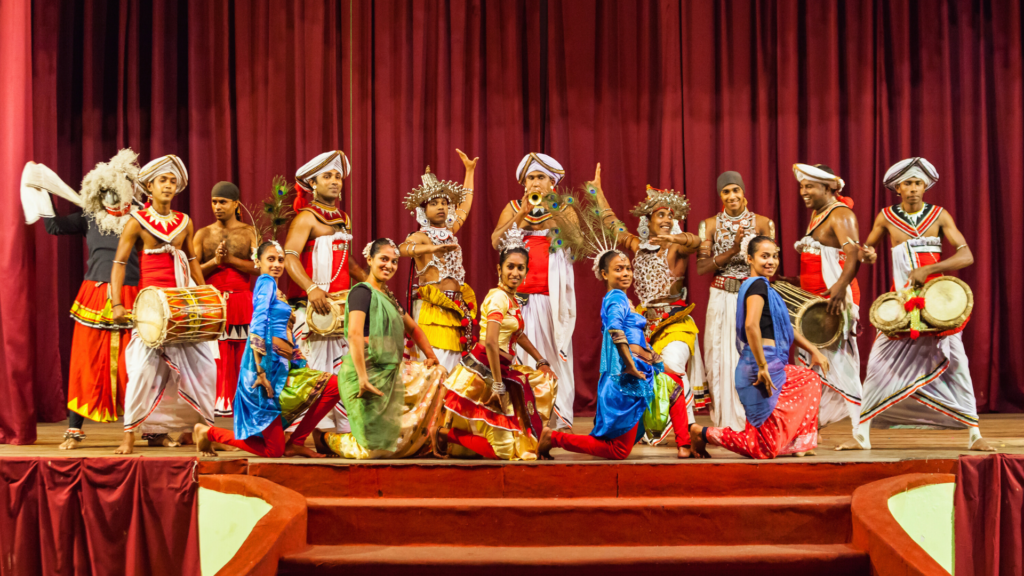
Music and dance are intertwined within cultural narratives, often manifesting during social gatherings. For instance, African tribal dances often accompany drumming, each movement representing various aspects of life and community beliefs.
In contrast, modern dance styles like hip-hop reflect urban culture and social movements. They often address themes such as identity, resistance, and resilience.
Performance contexts for dance and music can vary widely, from formal concerts to informal gatherings. These settings influence the expression and interpretation of emotions, allowing for diverse experiences. The synergy between music and dance creates an engaging way to communicate stories, fostering both cultural preservation and innovation.
Musical Systems and Education
Music serves as a fundamental aspect of cultural identity and expression. Different educational approaches facilitate the understanding of musical systems, enhancing both cognitive and social development.
Ethnomusicology and Music Traditions
Ethnomusicology explores the cultural contexts of music, examining how musical traditions communicate stories within societies. It investigates the relationship between music and cultural identity, shedding light on various storytelling techniques used across the globe.
For example, many Indigenous cultures incorporate music in rituals and oral histories, transmitting knowledge and beliefs through songs. Instruments, melodies, and rhythms are often unique to specific regions, providing a rich tapestry of narratives.
Education in ethnomusicology also focuses on documenting and preserving these traditions, which are at risk of fading. Educators encourage students to engage with diverse musical practices, fostering appreciation for cultural differences.
The Impact of Music on Cognitive and Social Skills
Music education significantly affects cognitive development and social skills. Learning an instrument or participating in group musical activities can enhance memory, attention, and problem-solving abilities.
Research indicates that musical training can lead to improved literacy and mathematical skills. Engaging in music encourages creativity and self-expression, allowing individuals to communicate emotions effectively.
Additionally, participating in musical ensembles provides opportunities for collaboration. This builds teamwork and communication skills as individuals learn to listen and respond to each other musically.
Overall, music education not only supports academic growth but also promotes social cohesion and emotional well-being.