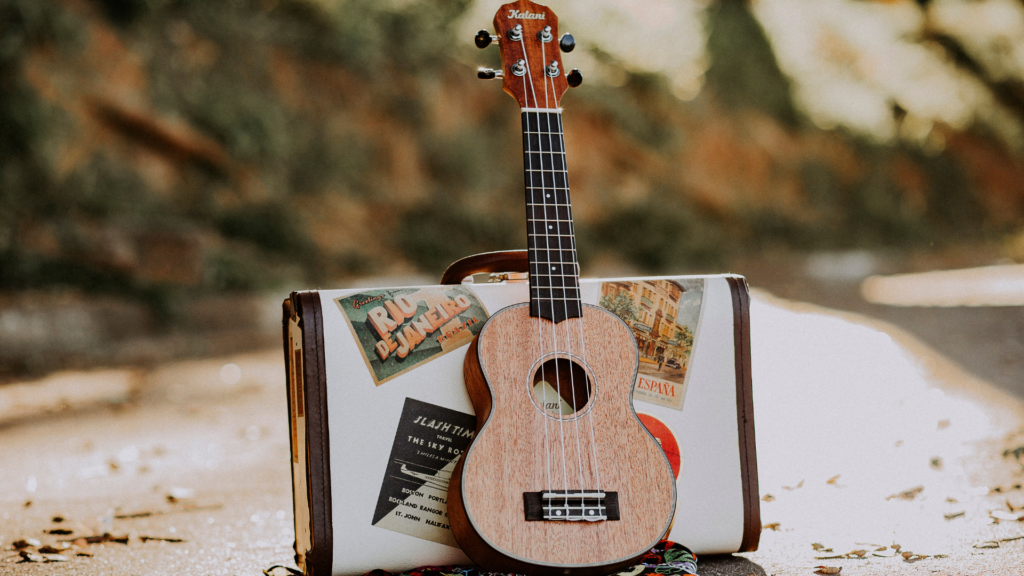

For those embarking on a musical journey, choosing the right instrument can greatly influence their experience. The ukulele is often considered the easiest instrument to learn, making it ideal for beginners with a passion for music. Its small size, simple chord structures, and light-weight design allow new players to start making music quickly, providing instant gratification.
Many discover that learning an instrument can be both rewarding and enjoyable, especially when they select one that matches their skill level. The ukulele’s straightforward nature means that even those without prior musical education can find success early on. As players become more comfortable, they can explore various genres, helping to nurture their love for music over time.
In addition to the ukulele, other easy-to-learn instruments include the keyboard and the harmonica. These instruments offer accessible entry points into music education, enabling individuals to develop their skills and confidence as they progress. Each offers unique benefits, allowing aspiring musicians to find the perfect fit for their interests and goals.
Identifying Easy Instruments for Beginners
Choosing an easy-to-learn instrument involves understanding different types and their accessibility. Certain characteristics define instruments that are beginner-friendly, while specific families of instruments tend to be easier to grasp than others.
Characteristics of Easy-to-Learn Instruments
Several features make specific instruments suitable for beginners.
- Fewer Fingering Techniques: Instruments with simple fingering, like the ukulele or recorder, allow beginners to play basic melodies quickly.
- Intuitive Learning Curve: Instruments that enable a straightforward learning process help maintain motivation.
- Affordability: Cost-effective options are often available for easy instruments, making them more accessible.
- Compact Size: Smaller instruments can be easier to handle, such as the harmonica.
Instruments meeting these criteria are often the most appealing for those just starting out.
Why String Instruments Are Accessible
String instruments, particularly the ukulele and guitar, offer an approachable entry point.
The ukulele is lightweight and typically features only four strings, making chord transitions simpler. This instrument’s small size and cheerful sound often make it enjoyable for beginners.
The guitar, while having six strings, is highly versatile. Beginners can easily learn basic chords, allowing them to play popular songs quickly.
Both instruments include numerous resources, like videos and tutorials, which facilitate self-learning. Their prevalence in popular music makes practice more engaging, and players are often eager to continue.
The Simplicity of Some Wind Instruments
Wind instruments can also be easy for beginners, especially the recorder and harmonica.
The recorder is often used in schools due to its straightforward fingering system and affordable price. Its design encourages young learners to explore music without overwhelming complexity.
The harmonica offers portability and immediate gratification. Breath control is essential, but once beginners grasp basic techniques, they can improvise tunes easily. Additionally, its use in various music genres promotes creativity and enjoyment.
Why Percussion Instruments May Be Ideal
Percussion instruments like drums are often ideal for beginners.
Drumming requires less technical skill compared to other instrument types. Basic rhythms can be established quickly, providing instant satisfaction. Many individuals find playing drums physically engaging, which aids in learning.
The accessibility of practice materials, such as online tutorials and instructional books, further supports new drummers. Many genres, such as rock and jazz, heavily feature drums, enhancing their appeal to aspiring musicians.
In summary, percussion instruments are not only fun but also allow for the rapid development of rhythmic skills.
Exploring Specific Instruments
Several instruments are known for their accessibility and suitability for beginners. The following sections provide insights into the ukulele, keyboard, drums, and guitar, highlighting key features that make each an excellent choice for those starting their musical journey.
Starting with the Ukulele
The ukulele’s small size and light weight make it an ideal instrument for beginners. With just four nylon strings, it requires less finger strength than a guitar. This accessibility allows new players to focus on strumming patterns and basic chords quickly.
The chord shapes are often simpler, and many popular songs can be played using only a few chords. This simplicity encourages a sense of accomplishment early in the learning process. Various styles can be explored, from flamenco to pop, keeping practice engaging.
Notable ukulele brands include Kala and Mahalo, offering quality options at affordable prices. Learning the ukulele can also improve hand-eye coordination, making transitions to other instruments easier.
The Basics of Keyboard and Piano
The keyboard and piano are excellent for understanding musical fundamentals. These instruments lay the groundwork for learning melody and harmony through their visual layout. Beginners can easily grasp scales, chords, and rhythm.
Electric keyboards often include built-in functions, such as various sound effects and accompaniments. This makes practising both fun and dynamic. Additionally, beginner players can start with simple melodies using single notes, gradually progressing to chord playing.
Popular brands like Yamaha and Casio provide beginner-friendly models with distinct features. Playing the keyboard or piano also reinforces concepts of volume, tempo, and dynamics, essential for any aspiring musician.
Rhythmic Fun with Drums and Handheld Percussion
Drums provide an energetic way to engage with music. With a simple focus on rhythm rather than melody, beginners can quickly develop a sense of timing and coordination. Instruments such as the bongos and tambourine offer a portable option for learning rhythm patterns.
Basic drum kits typically feature a bass drum, snare, cymbals, and toms. They challenge new drummers to improve their coordination with both hands and feet. Handheld percussion instruments allow for added fun, often requiring minimal technical skill.
A beginner can start learning basic beats and gradually explore different styles. Consistent practice can greatly enhance rhythmic skills, making drums an exciting entry point into the world of music.
The Versatile Guitar for Beginners
The acoustic guitar is a versatile instrument suited for various music genres. With six strings, it allows for diverse sounds and strumming patterns. Although slightly more complex than the ukulele, it remains accessible for beginners.
Learning the guitar involves mastering a few basic chords, enabling players to perform many popular songs. Brands such as Fender and Epiphone offer great entry-level guitars that are comfortable to play.
Aspiring guitarists can explore fingerstyle techniques, chord progressions, and even the electric guitar later. This flexibility makes the guitar a lifelong instrument, supporting continuous learning and growth.
Improving Your Musical Abilities
Developing musical abilities involves a structured approach. Key areas of focus include foundational knowledge, progression through instruments, and consistent practice. Mastery comes with understanding theory and applying it to practical situations.
Building a Solid Foundation in Music Theory
A solid grasp of music theory is essential for any aspiring musician. This includes understanding musical notation, which allows musicians to read and write music efficiently. Key concepts such as scales, harmony, and chord progressions form the backbone of musical composition.
Learning about intervals helps in recognising relationships between notes. Engaging with music theory books or online courses offers structured knowledge. Many musicians find that this understanding improves their ability to create music, leading to more expressive performances.
Progressing from Simple to Complex Instruments
Starting with simpler instruments can pave the way for success. Instruments like the ukulele or keyboard offer accessible entry points, allowing for quick learning of basic chords and melodies. Mastery of these basic instruments can build confidence.
As skills develop, transitioning to more complex instruments like the guitar or piano becomes feasible. With a stronger foundation, players can tackle more intricate techniques and styles. This progressive approach reduces frustration and enhances the learning experience.
Practising and Mastering Your Instrument
Consistent practice is crucial for improvement. Establishing a regular practice schedule helps in developing muscle memory and improving overall technique. Devote time to both scales and song practice to balance technical growth with enjoyment.
Incorporating a variety of exercises, such as chord progressions and improvisation, can enhance versatility. Seeking feedback through lessons or peer evaluations can also accelerate learning. Focusing on specific goals during practice sessions leads to measurable progress.