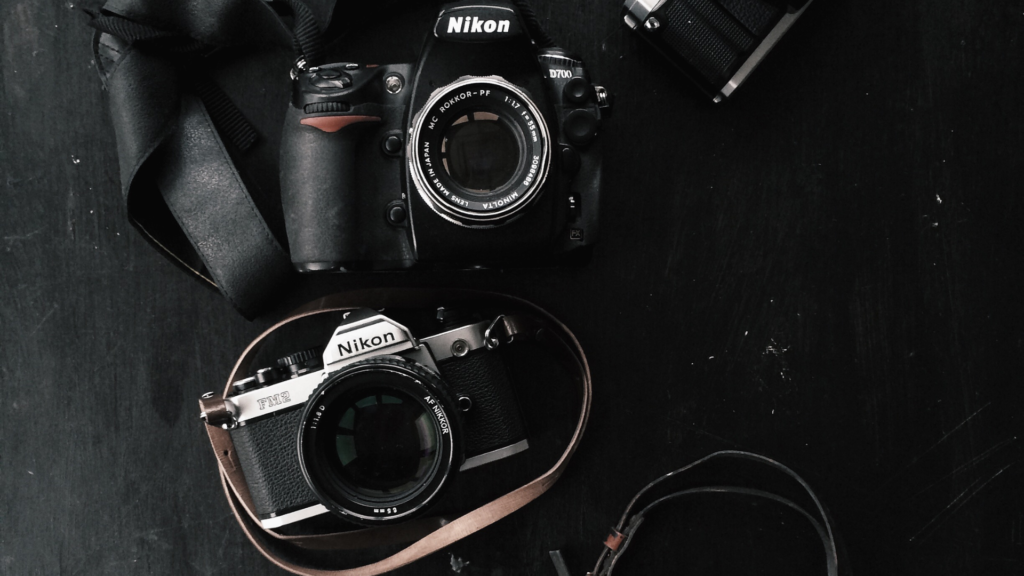

Mood in photography can transform a simple image into an evocative story. By carefully considering elements such as lighting, colour, and composition, a photographer can craft a specific atmosphere that resonates with viewers. Each choice contributes to the emotional impact, allowing the audience to engage with the image on a deeper level.
Utilising natural light can enhance the mood significantly. Morning or evening light lends a softer, warmer tone, while harsh midday sun casts stark shadows. Incorporating colour palettes—whether vibrant or muted—also plays a crucial role in setting the desired tone of the photograph.
Beyond technical adjustments, connecting with the subject can influence mood. Whether capturing a candid moment or a carefully staged scene, the emotions conveyed can evoke various feelings in the audience. This approach invites viewers to step inside the frame and experience the story being told.
Understanding Mood in Photography
Mood in photography is a crucial element that influences how a viewer feels when observing an image. It is the atmosphere conveyed through visual choices that can evoke specific emotions.
Factors that contribute to mood include:
- Lighting: Soft lighting often creates a calm or romantic mood, while harsh lighting may evoke tension or drama.
- Colour Palette: Warm colours like reds and yellows can inspire feelings of warmth and happiness. Cool colours such as blues and greens might communicate serenity or sadness.
- Composition: The arrangement of elements within a frame can direct attention and create feelings of order or chaos.
Emotion plays a vital role in mood. Photographers often aim to connect with their audience by tapping into shared emotional experiences.
To effectively convey mood, a photographer may consider:
- Subject Matter: Choosing subjects that represent specific feelings helps develop a relatable narrative.
- Depth of Field: A shallow depth of field can isolate a subject, adding a sense of intimacy or vulnerability.
- Texture: The presence of textures can add tactile qualities, enhancing the emotional depth of the image.
By strategically combining these elements, photographers can create powerful visual stories that resonate with viewers and evoke strong emotional responses.
Working with Light and Colour
Light and colour are fundamental elements in photography that significantly influence mood and emotion. By understanding how to manipulate these components, a photographer can evoke specific feelings within a viewer.
Harnessing Light for Emotional Impact
Natural light changes throughout the day, affecting the mood of the photograph.
- Golden Hour: Soft, warm light just after sunrise or before sunset creates a romantic or nostalgic atmosphere.
- Overcast Days: Diffused light provides a calm, even tone, suitable for portraying subtle emotions.
Artificial lighting can also be tailored. Using shadows can enhance drama, while bright lights may evoke cheerfulness.
Light direction plays a crucial role. Front lighting can flatten features, while side lighting adds depth and intrigue. Experimenting with backlighting can produce silhouettes, often conveying mystery or isolation.
Understanding these aspects allows a photographer to create a desired emotional response through light manipulation.
The Psychology of Colours
Colours have varying psychological effects that can influence viewer perception.
- Red: Conveys passion, love, or anger. It draws attention and can stimulate strong emotional reactions.
- Blue: Often associated with calmness, tranquillity, or sadness. It tends to create a serene atmosphere.
- Green: Symbolises nature and growth, evoking feelings of renewal and vitality.
- Yellow: Represents happiness and optimism, often brightening a composition.
Saturation and tones also impact mood. High saturation creates vibrancy and energy, while muted tones can evoke nostalgia or sophistication.
Choosing a colour palette suited to the intended emotion can significantly enhance the effectiveness of the photograph.
Composition Techniques to Create Mood
Creating mood through photography involves careful consideration of composition techniques. Effective use of space, focus, and perspective can significantly influence the emotional impact of an image.
The Art of Space and Composition
In photography, negative space plays a crucial role in shaping mood. By incorporating ample negative space, a photographer can evoke feelings of isolation or tranquillity. This space allows the subject to breathe and can create a powerful emotional connection.
Leading lines draw the viewer’s eye through the frame, guiding attention to the subject. This technique can instil a sense of movement or direct the viewer’s emotional journey. Choosing the right angles can enhance this effect, making the composition dynamic and engaging.
It’s essential to balance the elements within the frame. A well-composed image can convey harmony, while a more chaotic composition may evoke tension, influencing the viewer’s emotional response.
Utilising Focus and Perspective
Focus is another critical tool in establishing mood. Selecting a shallow depth of field can isolate the subject and create intimacy, while a deep focus includes surrounding elements, providing context. This technique shifts the viewer’s emotional experience depending on the level of attention given to various parts of the image.
Perspective and shooting from different angles can greatly affect how a photograph feels. Low angles can make subjects appear powerful, while high angles can create a sense of vulnerability.
Each decision regarding composition must consider how it contributes to the image’s mood. Thoughtful use of focus and perspective allows a photographer to tell a nuanced story through their work.
Post-Processing to Enhance Emotional Tone
Post-processing is essential for refining a photograph’s emotional impact. Techniques like colour adjustments and contrast enhancements can significantly alter a viewer’s perception of the image.
Adjusting Colour and Contrast
Colour plays a pivotal role in evoking emotions. By adjusting hues, saturation, and warmth, a photographer can shift the mood from vibrant and joyous to sombre and reflective.
- Warm Light: Increasing yellow and red tones can create a welcoming atmosphere.
- Cool Light: Blues and greens often convey feelings of calmness or sadness.
Contrast is equally crucial. A high-contrast image draws attention and can evoke strong emotions, while lower contrast may provide a softer, gentler feel. Adjusting shadows and highlights enhances depth and can direct the viewer’s focus towards the subject.
Crafting the Final Mood Through Editing
Editing allows for further refining of the emotional tone. Cropping can improve composition, eliminating distractions and emphasising the subject. Choosing the right camera angle before taking the shot also aids in portraying the desired emotion.
- Exposure Adjustments: Correct exposure can enhance mood; overexposing might evoke a dreamy feel while underexposing lends a dramatic touch.
- Background Manipulation: Easing distractions in the background can reinforce the main subject, thereby enhancing the mood.
Incorporating these techniques in post-processing can greatly affect a photograph’s emotional resonance, making it more impactful and engaging for viewers.