Technology has transformed various aspects of society, and the art world is no exception. From digital tools that enhance creativity to platforms that revolutionise art distribution, the integration of technology has reshaped how art is created, experienced, and sold. This exploration reveals that technology not only expands the possibilities for artists but also increases accessibility for audiences worldwide.
Innovative design software and virtual reality platforms allow artists to push the boundaries of their creativity, enabling new forms of expression. Additionally, the rise of social media and online galleries has created unique opportunities for artists to connect with broader audiences, often bypassing traditional gatekeepers. This shift challenges conventional notions of art and the roles of both artists and viewers in the creative process.
The impact of technology in the art world raises important questions about authenticity, ownership, and the future of artistic practices. As the lines between physical and digital art blur, understanding these changes is crucial for appreciating contemporary artistic trends and their implications for the future of creativity and design.
Emergence of Digital Art Forms
Digital art forms have significantly transformed the artistic landscape by integrating technology into creative processes. This shift has enabled artists to explore new mediums and methods of expression, influencing both the creation and experience of art.
The Digital Renaissance in Art
The advent of digital technology has marked a new era for artists, resembling a renaissance in creativity. Artists now leverage software to create compelling visual narratives, pushing the boundaries of traditional art.
Tools such as Adobe Photoshop and Corel Painter have become essential, allowing for precision and versatility. This accessibility has democratised art-making, enabling budding artists to experiment and share their work online.
Digital platforms also facilitate collaboration, with artists across continents able to co-create in real-time. Art galleries and museums are adapting by showcasing digital installations, reflecting this shift towards digital mediums.
Augmented and Virtual Realities in Artistic Expression
Augmented reality (AR) and virtual reality (VR) have introduced immersive experiences that engage viewers in unprecedented ways. Artists utilise AR to layer digital elements over physical artworks, enhancing viewer interaction.
With VR, entire worlds can be created, transporting users into the artist’s vision. For instance, platforms like Oculus Medium allow artists to sculpt in a three-dimensional space, offering new dimensions to creativity.
These technologies invite audiences to participate actively, breaking the traditional observer role. This interactivity fosters a deeper connection and enhances appreciation for the art, broadening the scope of artistic expression.
From Pixels to Processes: Generative Art
Generative art represents a fusion of creativity and technology, where algorithms are used to produce artworks. Artists such as Casey Reas and Joshua Davis employ coding as their medium, creating unique, evolving pieces that can vary with each viewing.
This approach reflects a shift from static to dynamic art, where the processes can be as significant as the final output. Generative art often incorporates aspects of AI, enabling machines to generate variations based on set parameters.
The use of 3D printing further extends this movement, allowing artists to physically manifest their digital creations. This intersection of technology and art encourages exploration and experimentation, marking the emergence of an innovative art form.
The Intersection of Art and Technology
The fusion of art and technology has transformed creative processes and altered the way art is experienced. Various tools and platforms are now redefining artistic expression, from AI-generated pieces to social media’s influence on art appreciation.
Harnessing AI for Artistic Creativity
Artificial intelligence has emerged as a significant player in artistic creation. Artists are utilising machine learning algorithms to generate new forms of art, including paintings and music compositions.
AI tools can analyse vast datasets to identify styles and preferences, enabling artists to experiment with new techniques and aesthetics. Programmes such as DeepArt and DALL-E empower creators to produce works that blend traditional techniques with innovative digital methods.
The interplay between human creativity and machine intelligence is shaping a new era of art that challenges conventional boundaries. This partnership encourages artists to innovate and expand their creative horizons.
Innovations in Art Making: Digital Tools and Techniques
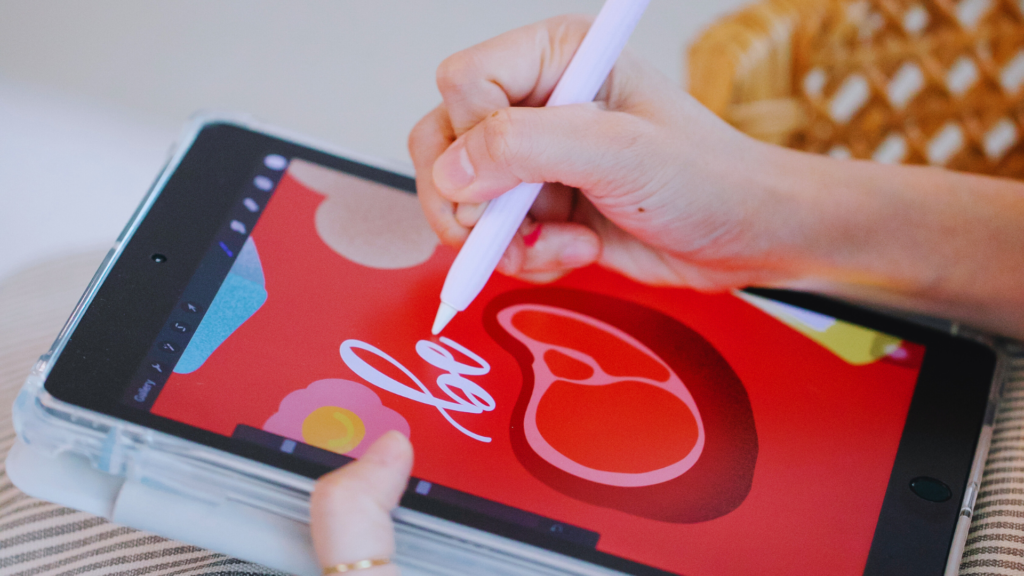
Digital painting has revolutionised the way art is created. Tools like Adobe Photoshop and Procreate offer artists a versatile platform to explore their creativity.
These applications provide features such as layering, custom brushes, and various effects that can mimic traditional media. This allows for immense flexibility and experimentation, making art more accessible to a broader audience.
Interactive installations are another fascinating development. Artists can create immersive experiences that engage viewers in an active manner. Through the use of sensors and projections, audiences can interact with art, enhancing their connection to the work.
Impact of Social Media on Art Consumption
Social media platforms, particularly Instagram, play a crucial role in how art is consumed and shared. Artists can now showcase their work to a global audience without traditional gatekeepers.
The visual nature of platforms like Instagram encourages instant engagement, allowing artists to connect directly with their audience. Hashtags and trending topics can amplify visibility, enabling emerging artists to gain recognition.
Online platforms also facilitate collaborations and community building among creatives. Artists are using social media to exchange ideas, participate in challenges, and find inspiration, fostering a supportive environment that drives innovation.
Transformation of the Art Market
The art market has undergone significant changes with the advent of technology, particularly in the areas of accessibility and ownership. Innovations like online galleries and blockchain technology are reshaping how art is bought, sold, and preserved.
Digital Access: Online Galleries and Auctions
Online galleries have revolutionised the way art is accessed by collectors and enthusiasts. They offer an extensive range of artworks from various artists worldwide, removing geographical barriers.
Many auction houses now host online bids, enhancing competition and accessibility. Individuals can participate in auctions from their homes, broadening the audience for both established and emerging artists.
These platforms often feature virtual exhibitions, allowing users to view artworks in detail. This fosters an inclusive environment for art appreciation, providing opportunities for new artists to reach wider markets.
Blockchain Technology: Authenticity, Ownership, and Preservation
Blockchain technology introduces a secure system for verifying the authenticity and ownership of artworks. Each piece can be represented as a non-fungible token (NFT), providing a digital certificate of ownership.
This method reduces forgery and disputes over provenance, which have historically plagued the art market. Artists can also program smart contracts, enabling automatic royalties on secondary sales, which benefits creators.
Additionally, blockchain offers innovative solutions for preservation and conservation databases. This can ensure detailed records of an artwork’s condition over time, aiding in its maintenance and potential restoration efforts.